
Osteopathy: What Really Happens at Your First Session
From the initial interview to hands-on techniques, here's a concrete, step-by-step look at what a first osteopathy appointment involves.
Booking a first appointment with an osteopath can feel like stepping into the unknown, especially if you've never had manual therapy before. Unlike a typical medical consultation, the session tends to be longer and combines conversation, physical examination and hands-on techniques. Here is what generally happens, step by step.
A thorough conversation before any hands-on work
Most sessions start with a fairly detailed interview, often lasting 15 to 20 minutes. The osteopath will ask about your main complaint (pain, stiffness, discomfort) but also your medical history, past surgeries, current medications, lifestyle and activity level. These questions matter: they help the practitioner screen for warning signs — such as unexplained weight loss, neurological symptoms, fever, or a significant recent injury — that would call for referral to a doctor rather than manual treatment. A responsible osteopath should recognise the limits of their scope of practice and refer you onward when needed.
The physical exam: watching how you move
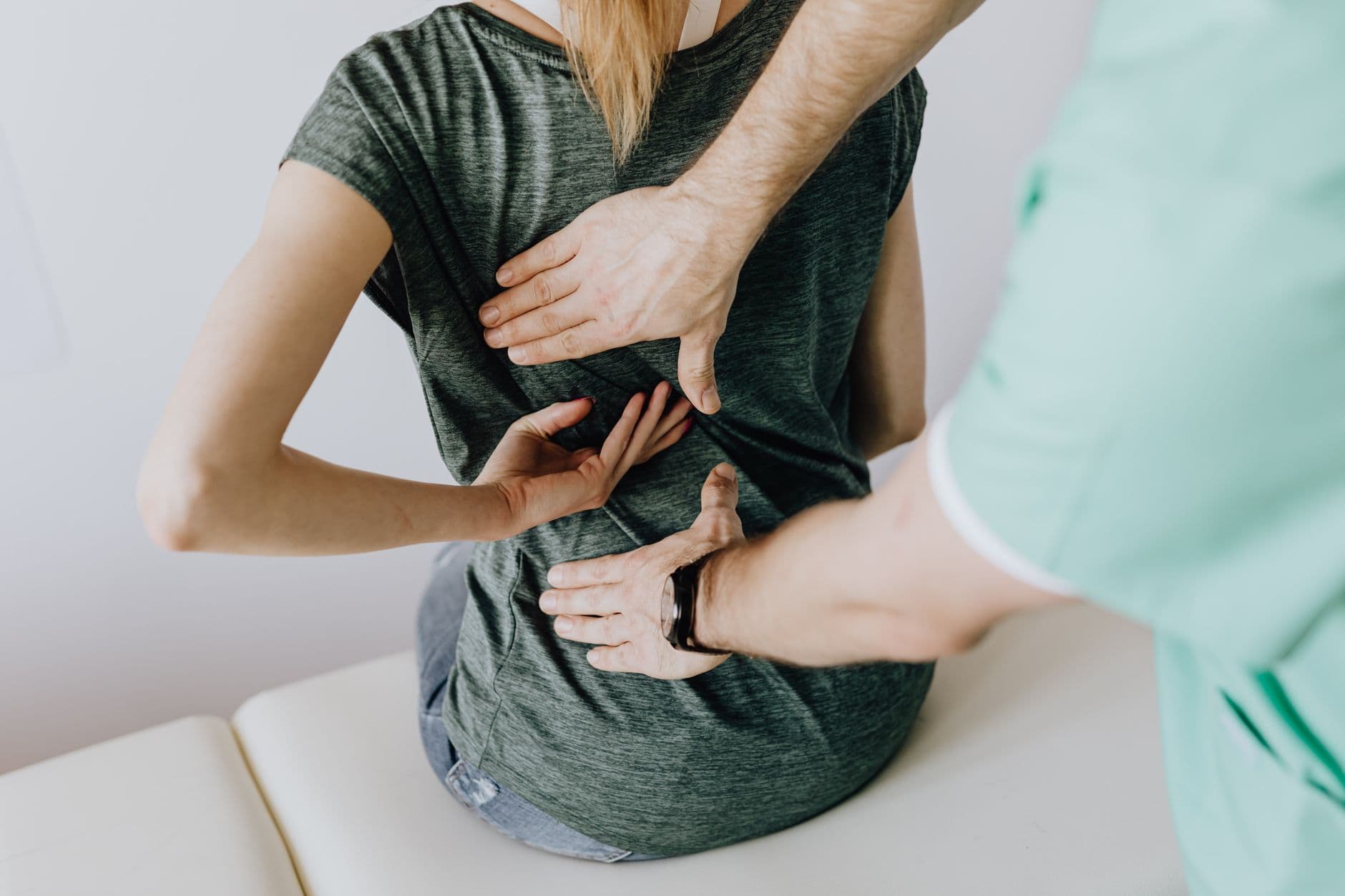
After the interview comes a physical examination. You'll usually be asked to partially undress (down to underwear, or keeping a t-shirt on, depending on the area involved) so the practitioner can observe your posture, how you stand, walk or breathe. They will then test the mobility of various joints and body regions through passive movements — meaning the practitioner moves the body part, not you — and through palpation, feeling with the hands for muscular or joint tension. This exam often extends beyond the painful area itself: osteopathic practice works on the idea that different parts of the body are interconnected, so discomfort in one place may relate to restriction elsewhere. This is a working hypothesis specific to the discipline, not a medical diagnosis based on imaging or lab tests.
Hands-on techniques: what they actually feel like
Depending on what's found, the osteopath may use a range of techniques: sustained gentle pressure, stretching, gradual joint mobilisation, or sometimes quicker manipulations (often called "thrusts"), which can produce a popping or cracking sound at a joint. This sound is normal and does not mean a bone is being "put back into place" — despite a common misconception, it's simply a gas-related phenomenon within the joint. Techniques should be adapted to your age, physical condition and history; for older adults, children, or people with osteoporosis, high-velocity manipulations are generally avoided in favour of gentler methods.
After the session: what to expect
It's common to feel some tiredness, mild soreness, or a sense of "release" in the hours following a first session — somewhat similar to how you might feel after unaccustomed physical activity. This usually settles within a day or two. The osteopath should explain what they found, what they did, and offer simple advice (staying hydrated, gentle movement, stretching) rather than prescribing a fixed number of follow-up sessions without clear reasoning. It's reasonable to ask for a clear explanation of their thinking.
What osteopathy can, and can't, offer
Osteopathy has been studied mainly for musculoskeletal pain, particularly common low back pain, where evidence shows a modest effect, broadly comparable to other manual therapy approaches. For many other conditions sometimes mentioned in this context — digestive issues, ENT complaints, paediatric concerns — the scientific evidence remains limited or insufficient, according to health authority reviews such as those from France's HAS. In Israel, osteopathy is not a profession regulated by the Ministry of Health in the way physiotherapy or medicine are, so it's worth checking a practitioner's training and certifications before booking, and continuing to see a doctor for any pain that is persistent, unexplained, or getting worse.
Sources
- HAS (Haute Autorité de Santé) 2023 — Évaluation de l'ostéopathie
- NHS 2021 — Osteopathy overview
- National Council for Osteopathic Research (NCOR), UK
- Ministry of Health Israel — registry of unregulated complementary practices
- Cochrane Library — reviews on manual therapy for low back pain
Information, not medical advice
This article is for information only and does not replace a consultation. If you have symptoms or any doubt, consult a qualified healthcare professional.
Need to see someone?
Find a verified practitioner near you and book online in a few clicks.