
Your First Massage Therapy Session: What Actually Happens
Wondering what to wear, what you'll be asked, or how much pressure to expect? Here's a concrete walk-through of a typical first massage therapy appointment.
Booking a first massage therapy session often comes with small worries: what should you wear, what will you be asked, how long does it last? Here is a realistic, step-by-step look at what usually happens, so you can walk in feeling prepared.
Before the massage: a short but important conversation
The session doesn't start on the table. Most practitioners begin with a brief intake conversation covering your medical history, current pain or tension, sensitive areas, medications, and any contraindications such as a recent blood clot, an unhealed fracture, certain skin conditions, a high-risk pregnancy, or fever. This helps the practitioner tailor the pressure, technique, and which areas to focus on. Mention anything relevant, even if it seems minor: a recent surgery, blood thinners, or simple nervousness about the process.
In Israel, massage therapy is not a regulated medical act in the way physiotherapy is; the practitioner is not a physician and does not diagnose conditions. It works on muscular tension and relaxation, and can complement medical care, but it should never replace a medical evaluation for persistent or unexplained pain.
The practical setup: draping, privacy, equipment
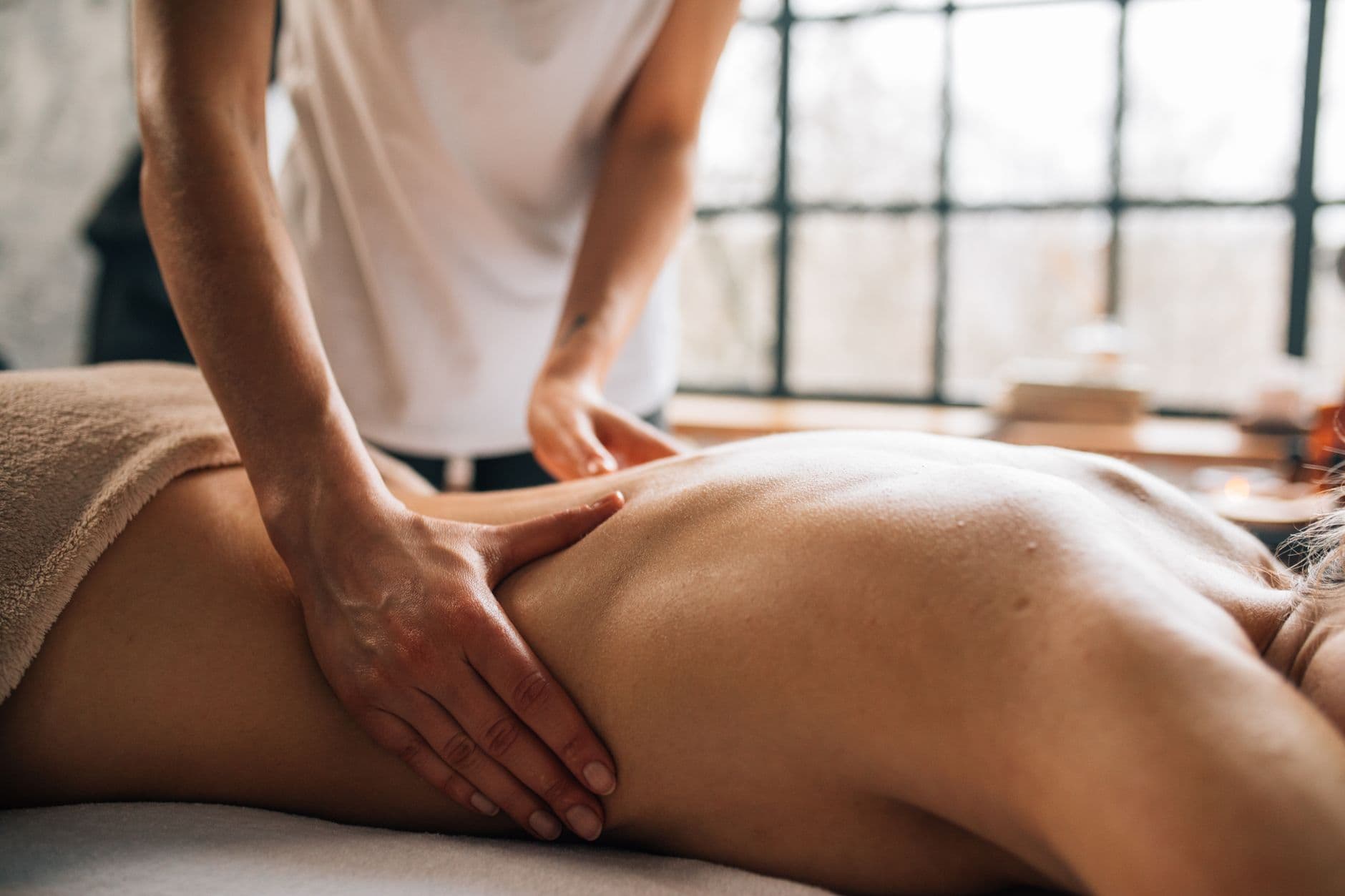
Most massages take place on a dedicated table, with sheets or towels covering areas not being worked on. Depending on the type of massage (Swedish, deep tissue, sports massage, etc.), you may be asked to undress partly or fully, but you are always free to keep underwear on or ask for extra draping. A professional practitioner always explains what they're about to do before doing it, and respects a request to stop or adjust at any point. Oil or lotion is typically used to reduce friction; flag any known allergies beforehand.
During the session: sensations and communication
A typical session lasts 30 to 60 minutes, sometimes up to 90 minutes for a full-body massage. Pressure can range from very light to deep, and it's normal to feel some transient discomfort over tense areas, but never sharp pain. The practitioner will check in on your comfort, especially at a first appointment when they're still learning your body and preferences. If something feels wrong, say so - this isn't rude, it's useful feedback that helps them adjust technique.
After the massage: what's normal, what isn't
Mild tiredness, a feeling of warmth, or unusual thirst afterward are common and harmless; drinking water can help. Some people feel muscle soreness similar to post-exercise soreness, especially after deep tissue work, which usually resolves within a day or two. However, significant redness, marked bruising, intense pain, or prolonged dizziness are not normal and should be reported to the practitioner or a doctor.
What massage therapy can - and can't - do
Available evidence, including Cochrane reviews, suggests massage can have a short-term positive effect on mild to moderate musculoskeletal pain, stress, and sleep quality, though the overall quality and consistency of evidence varies by condition. Massage therapy is not a cure for underlying conditions and is not a substitute for medical or physiotherapy care for injuries, disc herniation, or chronic disease. It is a wellness and tension-management practice that can complement standard medical follow-up when needed. In Israel, some health funds (kupot holim) offer partial reimbursement for massage therapy under complementary medicine programs, subject to conditions - it's worth checking your coverage before booking.
Sources
- NHS 2021 - Massage therapy
- HAS 2019 - Pratiques de soins non conventionnelles
- Cochrane Database Syst Rev - PMID 25980887
- Ministry of Health Israel - Complementary Medicine Practitioners Registry
Information, not medical advice
This article is for information only and does not replace a consultation. If you have symptoms or any doubt, consult a qualified healthcare professional.
Need to see someone?
Find a verified practitioner near you and book online in a few clicks.